History of the Port of Morgan City

The Atchafalaya River to Gulf

Named by the Attakapas Indians, the Atchafalaya River, or “long river”, has been the lifeline of the Morgan City area since the end of the Civil War. Due to its strategic marine location, Morgan City was occupied by Federal troops for over three years.

Following the Civil War, Charles Morgan began the first dredging of the Atchafalaya Channel in 1872. The Atchafalaya Bay Ship Channel Company was formed in 1906, and one year later the first channel connecting the deep waters of the Gulf of America with the Atchafalaya River was dredged. This provided an easier outlet for the tremendous volume of rice, salt, oil, sulphur, cypress lumber, and sugar which were produced in the southwest Louisiana area at the time.
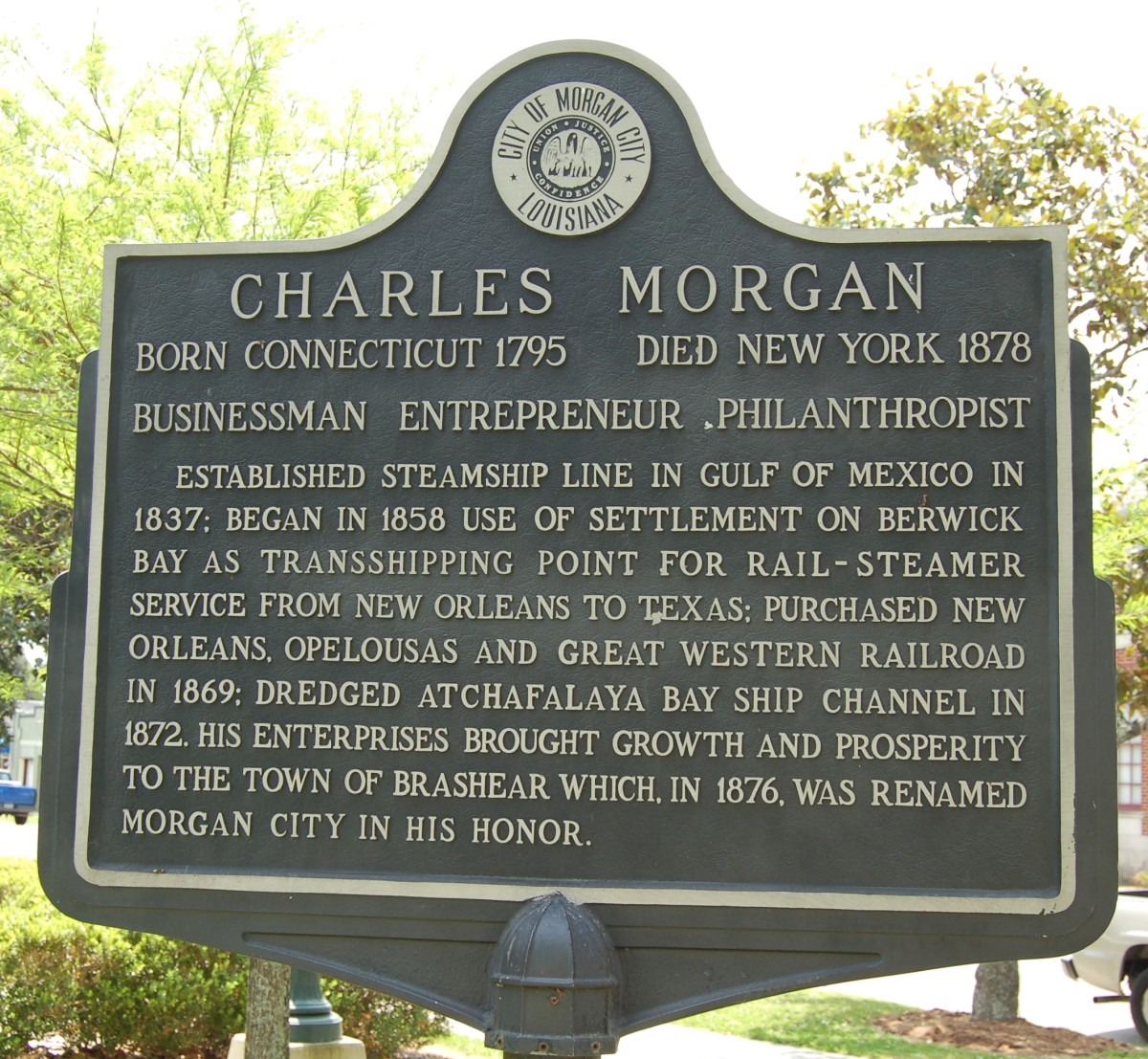
Charles Morgan Marker

1910. Act Secures Channel from Atachafalaya River Morgan City to Gulf

Maintaining the waterways more efficiently as highways for commerce required the work and dedication of many individuals through the years. Responsibility for the channel was taken by the Federal Government in 1910, through the Rivers and Harbors Act of 25 June 1910. The agreement stipulated that the government would secure a channel 200 feet wide by 20 feet deep from the Atchafalaya River, Morgan City to the Gulf of Mexico(America).

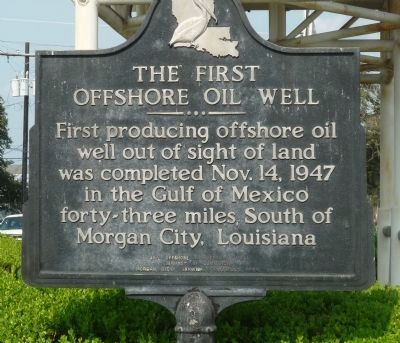
First Oil Well Morgan City1 947

1947. The 1st Offshore Oil Well

November 14, 1947, the first producing offshore oil well out of sight of land was completed in the Gulf of Mexico(America) forty-three miles South of Morgan City. Morgan City remains historically significant as the birthplace of the offshore oil and gas exploration industry.

POMC Made A Customs Station

Due to the increase in shipping tonnage between Morgan City and the Gulf of Mexico(America), Morgan City was made a Customs Station in 1947. A year later the city was made a Port of Documentation.

The Morgan City Harbor and Terminal District, commonly referred to as the Port of Morgan City, was created by the Louisiana Legislature in 1952.

A year later an Intracoastal Waterway was urged.

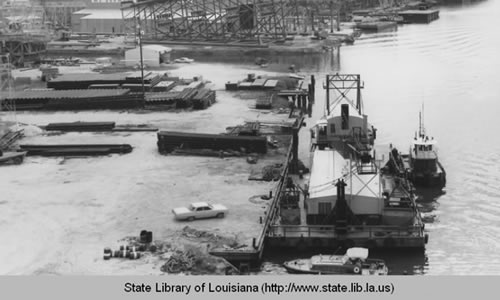
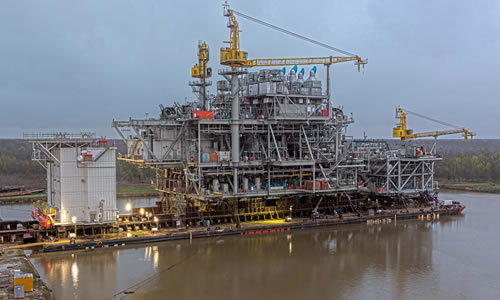
In 1956 Bayou Boeuf Fabricators became McDermott’s fourth division, and the world’s largest offshore-structure-fabrication yard. The division’s name was changed to McDermott Fabricators in May 1958.

Bayou Boeuf Fabricators 1958McDermott Fabricators 2020

1957. Domestic & International Trade Begins

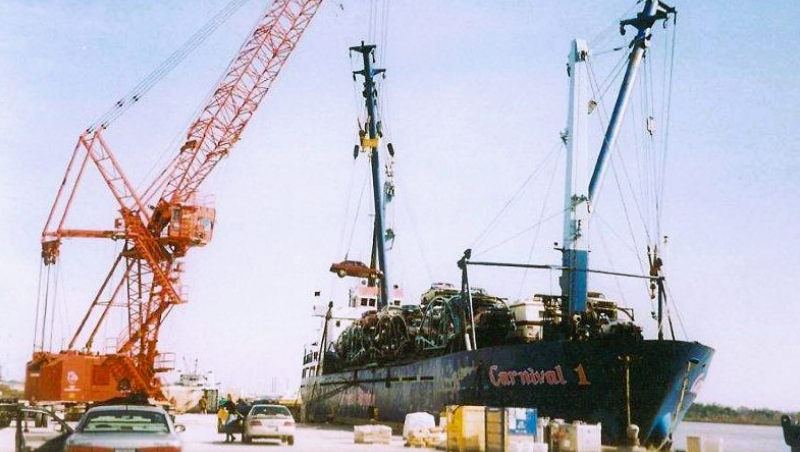
Carnival Ship

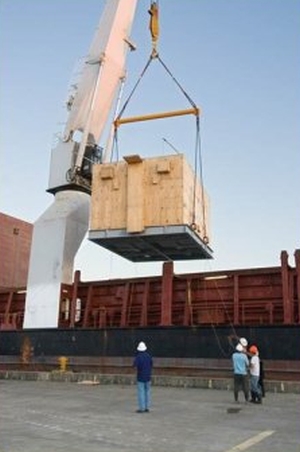
The Port of Morgan City began to provide for domestic and international trade in 1957, with convenient, direct access to ocean-going traffic across the globe.

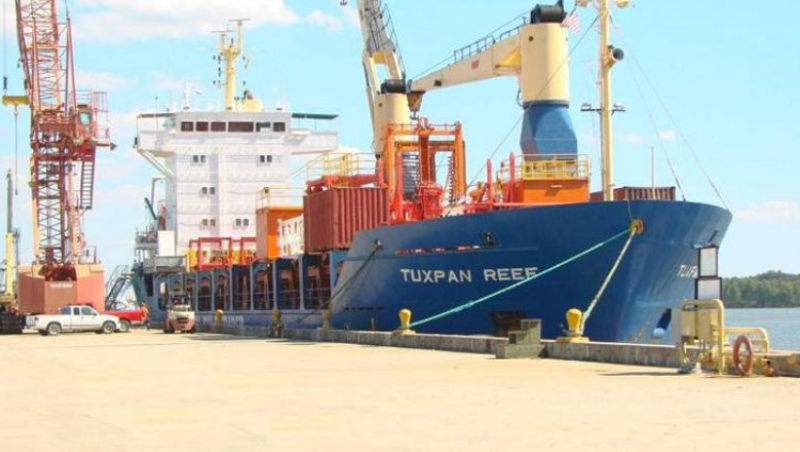
Tuxpan Reee
Container Stacker

As expanding industry required deeper and wider channels, Bayou Black dredging was recommended in 1965.